BPC-157: what the research actually shows
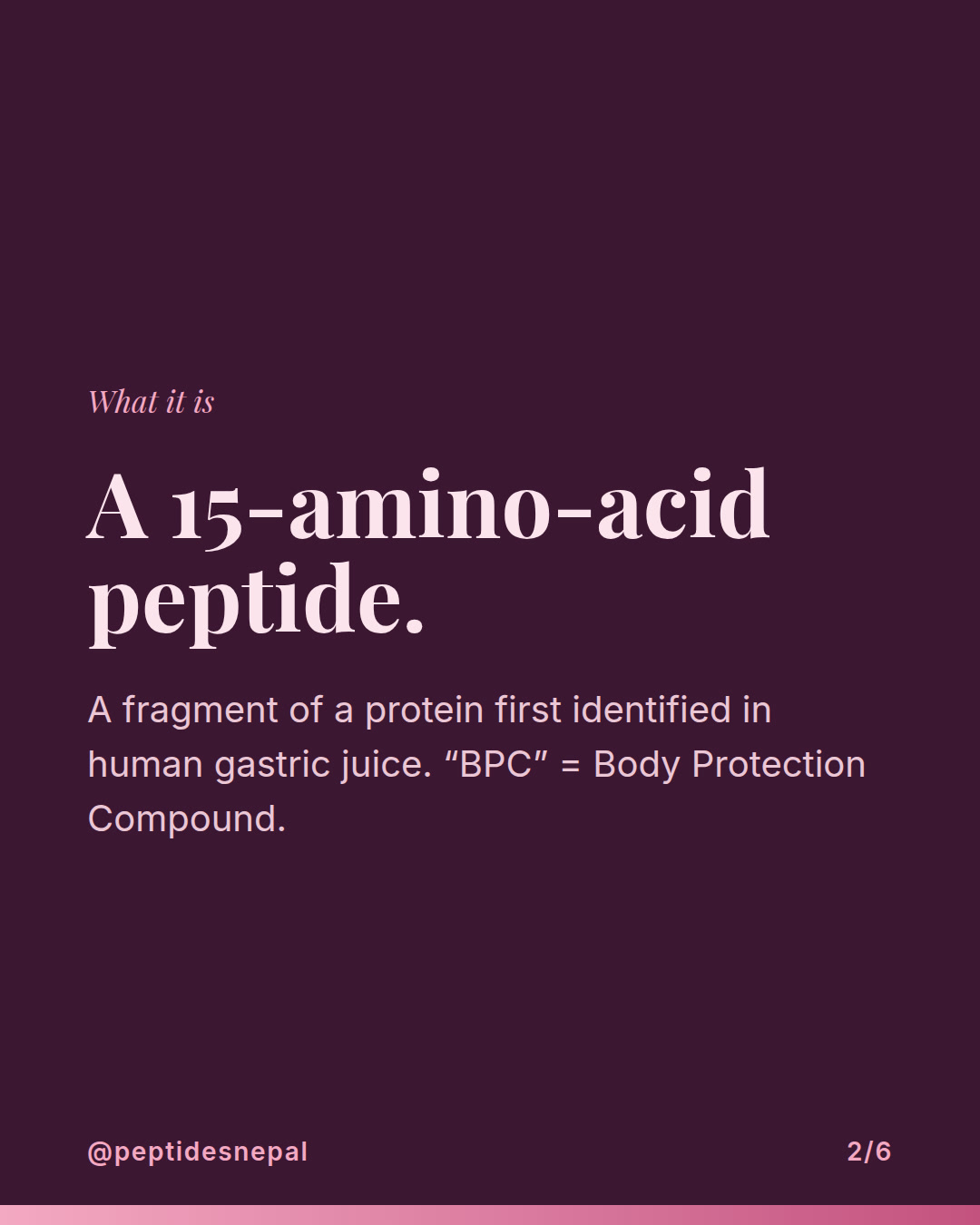
• 15-amino-acid peptide, derived from a protein in human gastric juice
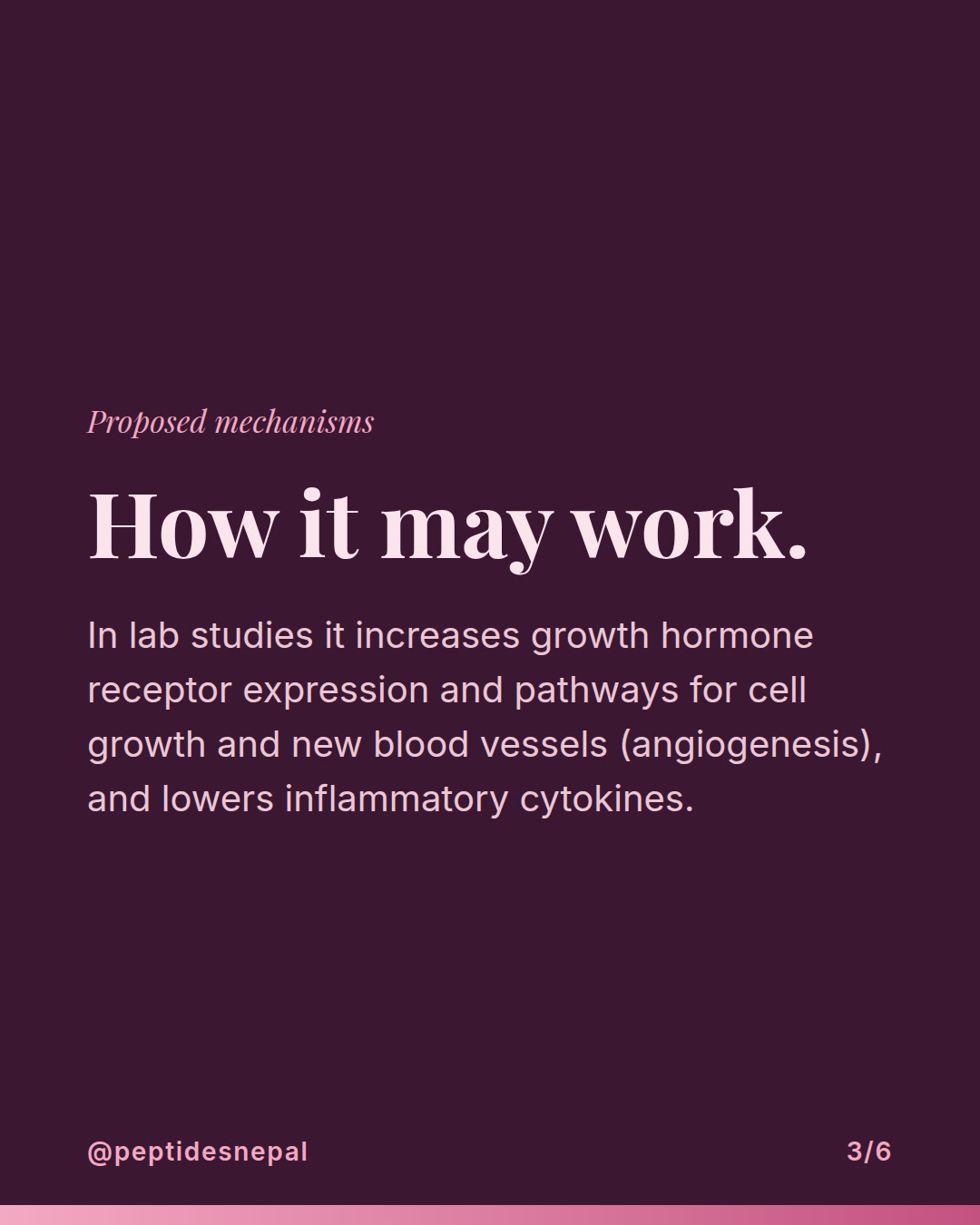
• Lab work: raises growth hormone receptor expression, supports angiogenesis (new blood vessels), lowers inflammatory cytokines
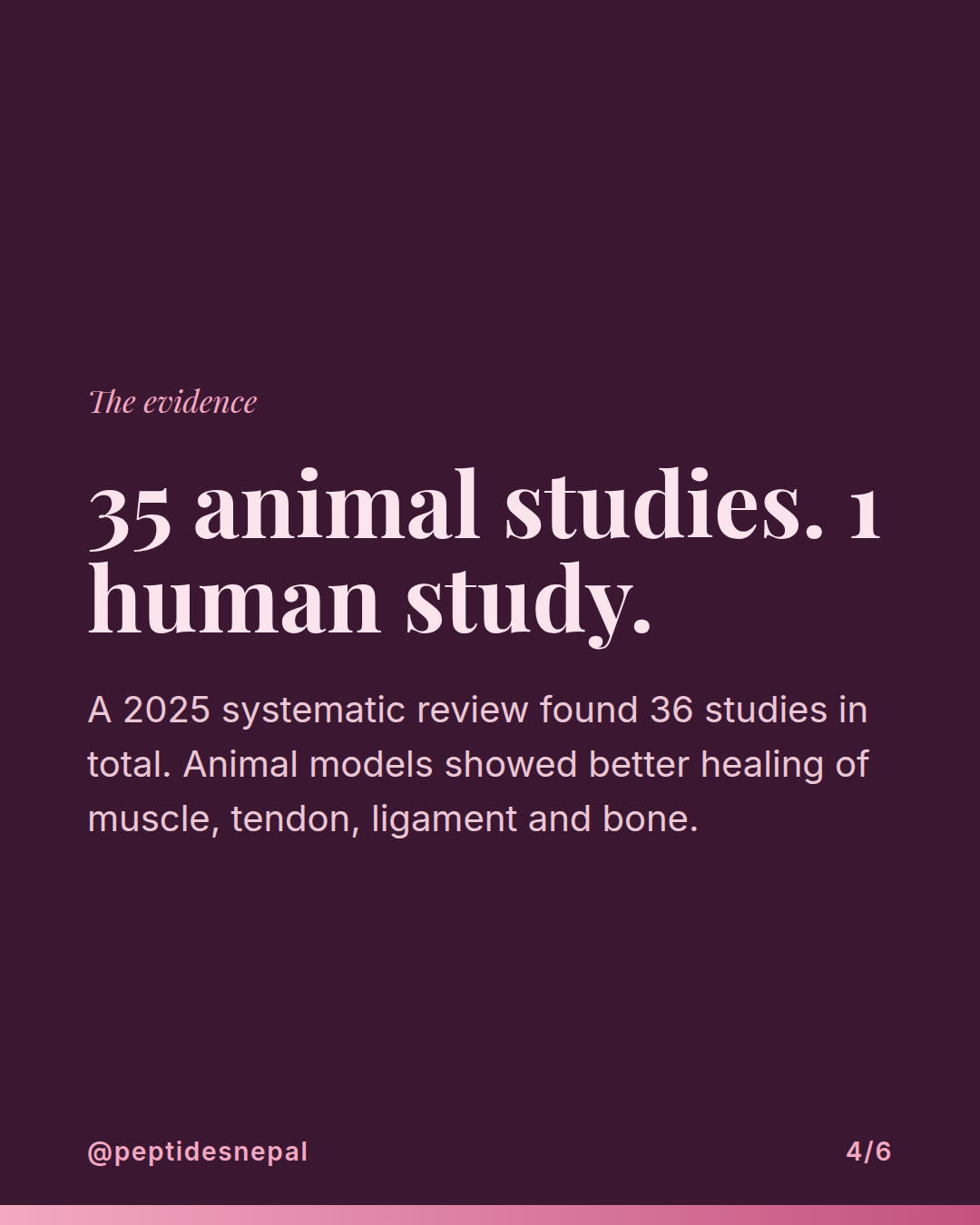
• 2025 systematic review: 36 studies — 35 preclinical, 1 clinical
• Animals: improved healing in muscle, tendon, ligament and bone injuries
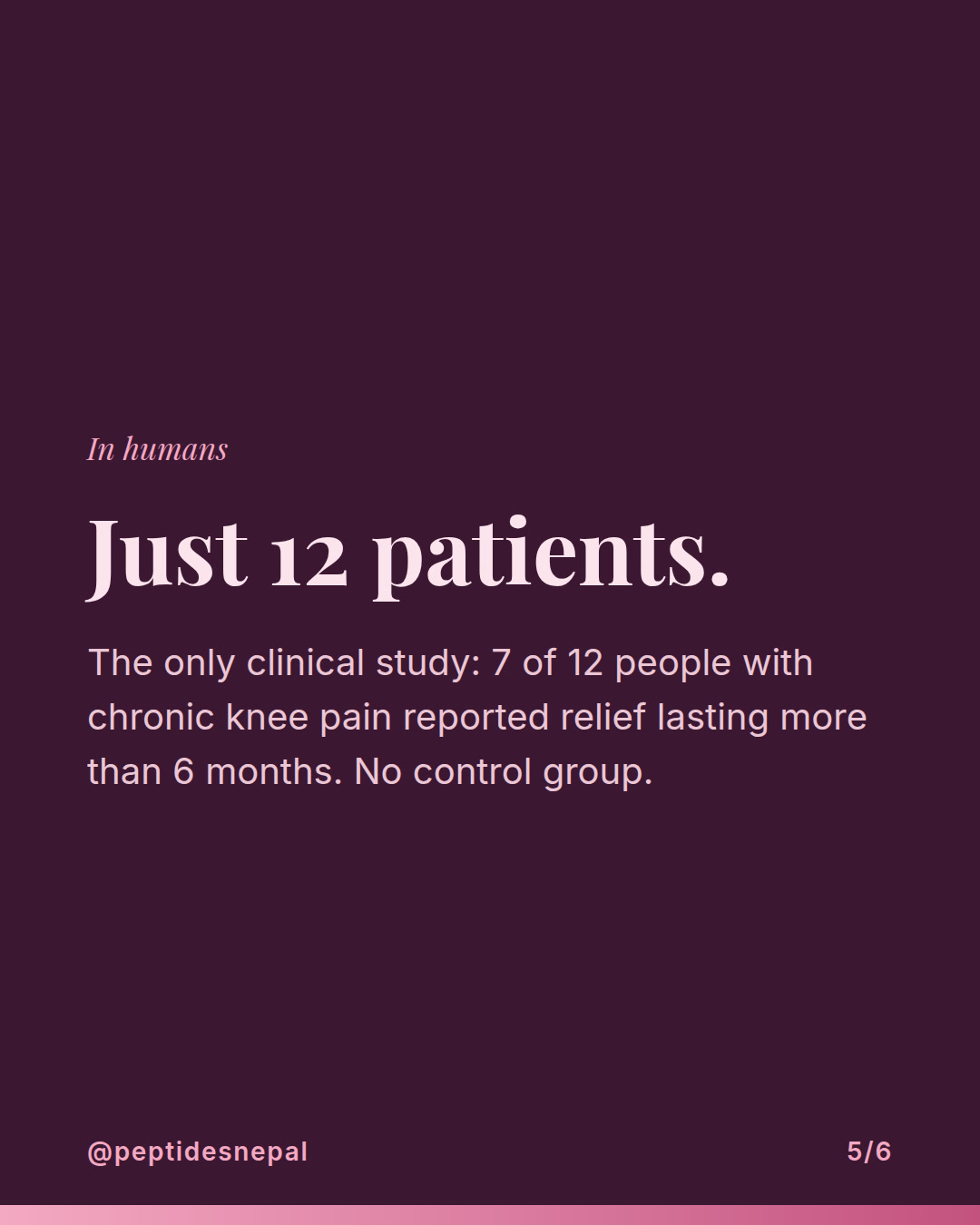
• Humans: 1 small study — 7 of 12 patients reported knee-pain relief for 6+ months
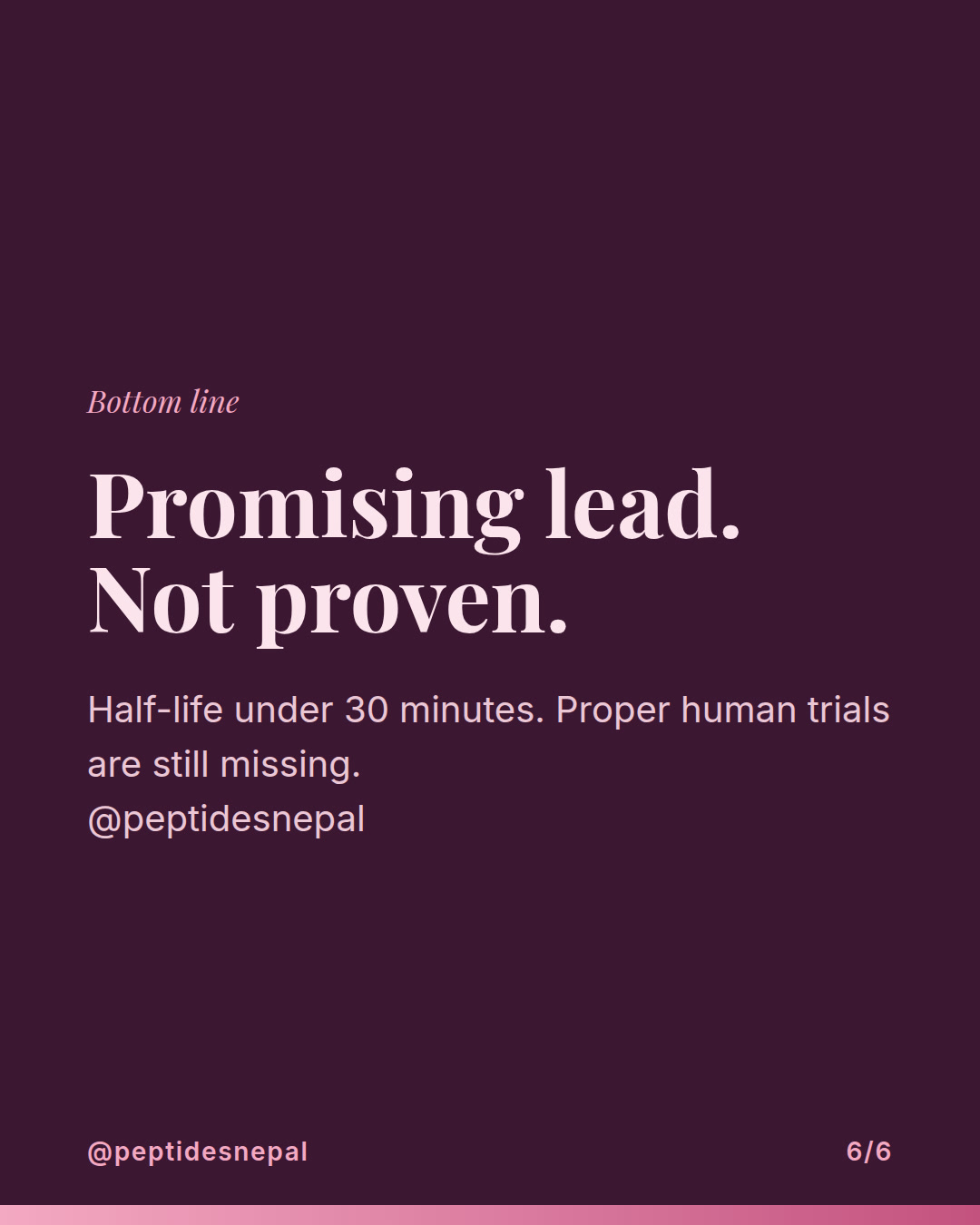
• Half-life: under 30 minutes
Verdict: an interesting lead, not a proven treatment. Run any claim you see through our "How to read a study" post.
Source:
• Vasireddi N, et al. "Emerging Use of BPC-157 in Orthopaedic Sports Medicine: A Systematic Review." HSS Journal, 2025. doi:10.1177/15563316251355551